

When the layout is done well, the leather corner sofa becomes the anchor that pulls the whole “inside-outside” story together.
How can a leather corner sofa mirror the feeling of outdoor privacy?
They can treat outdoor privacy as a design cue, not just a boundary. If custom fencing creates a sheltered garden, the lounge should echo that same protected feel with a defined seating zone, softer lighting, and a clear “edge” to the space. Choosing leather corner sofas can help reinforce this sense of enclosure while providing a comfortable, durable focal point for the outdoor-inspired living area.
Positioning the leather corner sofa to frame a rug and coffee table helps create that indoor refuge without blocking the room.
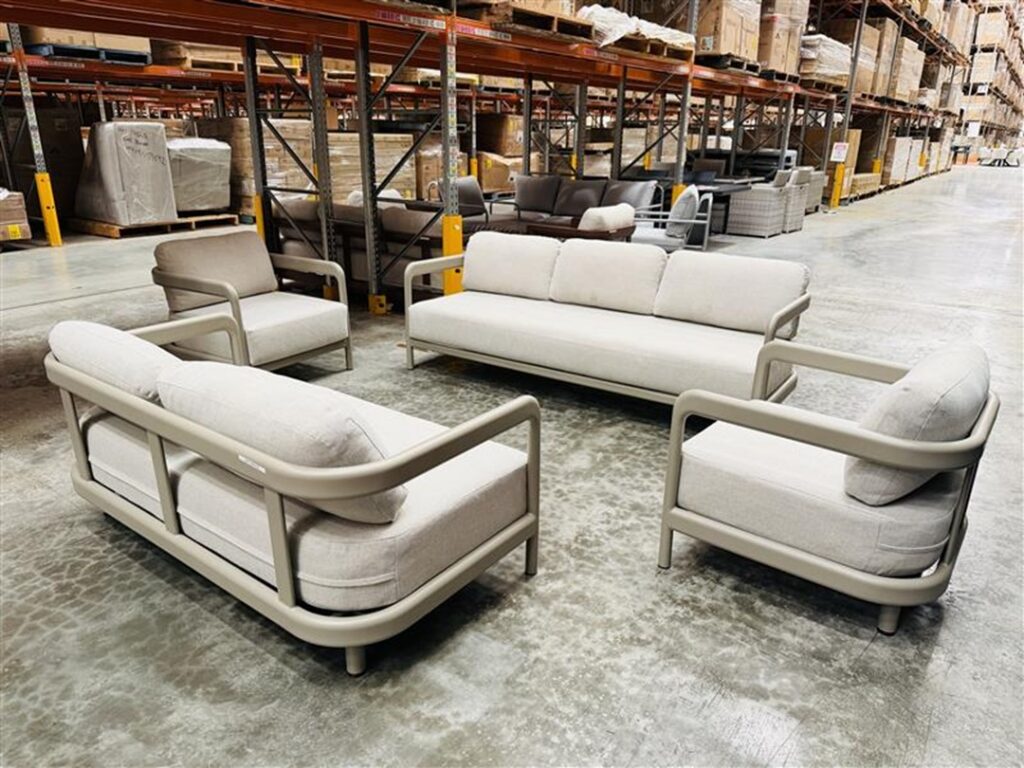
Where should they place the leather corner sofa to improve outdoor flow?
They should align it with the main route to the garden, not across it. That usually means keeping a clear walkway from the hallway through to patio doors, with the sofa set slightly back so traffic passes comfortably.
In many homes, placing the leather corner sofa perpendicular to the doors creates an inviting “turn” towards the garden while keeping circulation tidy.
What colours and materials work best with leather and timber fencing?
They should borrow from what is already outdoors. If fencing is warm timber, indoor tones like camel, tan, cream, olive, and muted terracotta tend to feel cohesive, especially with natural textures like linen, wool, jute, and oak.
A leather corner sofa looks more intentional when nearby materials repeat what is seen outside, even subtly through baskets, timber frames, or a wood coffee table.
How do they style cushions and throws without making leather look heavy?
They can use textiles to add softness and lift. Pale cushions, textured knits, and a throw with a visible weave stop the sofa from feeling too dense, especially in smaller rooms. For more inspiration, explore these living room styling ideas to see how layering textures and accessories can create a lighter, more balanced space.
On a leather corner sofa, a simple formula works: two light cushions, one patterned cushion, then one throw draped casually to break up the leather surface.
What lighting choices support privacy while keeping the room open?
They should layer lighting so the room feels warm in the evening without becoming closed off. Table lamps, a floor lamp near the sofa corner, and wall lights create a gentle perimeter glow that matches the “private garden” mood.
A leather corner sofa benefits from warmer bulbs and shaded lamps, which reduce glare on the leather and keep the seating area inviting.
How can they connect the sofa styling to the garden view?
They can treat the view like a feature wall. If fencing frames greenery or a tidy patio zone, they should keep the indoor styling calm near the doors so the eye moves outward, not into clutter.
A leather corner sofa paired with a low-profile coffee table and a few well-chosen accessories helps the garden read as part of the room.
Which accessories help the leather corner sofa feel modern and not dated?
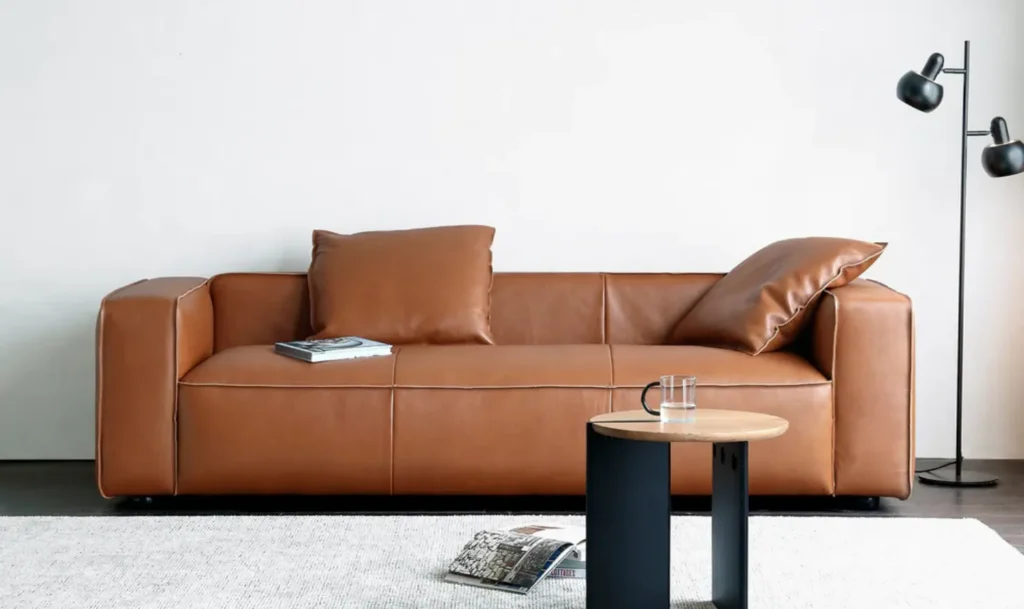
They should choose shapes and finishes that feel current: slim black metal, matte ceramics, light oak, ribbed glass, and simple art with generous margins. One large piece of wall art often looks cleaner than several small prints.
Next to a leather corner sofa, a modern side table and an oversized plant can refresh the look quickly without needing a full redesign.
How do they avoid blocking daylight when privacy fencing is already reducing it?
They can keep the “visual weight” low around windows and doors. That means lighter curtains, minimal bulky furniture near glazing, and reflective surfaces like a pale rug, a mirror, or light-toned wood.
A leather corner sofa can still work in a dimmer room if they balance it with light walls, brighter textiles, and fewer dark accessories.
What layout tricks make small rooms feel private but not cramped?
They should create definition with soft boundaries, not extra furniture. A rug under the seating area, a narrow console behind the sofa, or a single armchair opposite can shape the space without stealing floor area.
Even in compact rooms, a leather corner sofa can feel spacious if the edges stay clear and storage is kept closed rather than open.
How can they coordinate indoor and outdoor seating for a seamless look?
They can repeat just two or three elements across both spaces, such as colour, texture, and shape. For example, if outdoor furniture has black frames, an indoor lamp base or side table in black helps link the zones.
With a leather corner sofa indoors, outdoor cushions in similar neutrals or earthy tones can make the transition feel planned, not accidental.
What is a simple styling checklist they can follow?
They can keep it practical and consistent. First, place the sofa to protect the walkway to the garden. Second, use outdoor-inspired colours and natural textures. Third, soften leather with textiles and layered lighting. Finally, reduce clutter near patio doors so the garden stays visually connected.
Done this way, the leather corner sofa supports privacy, comfort, and better outdoor flow without the room feeling overdesigned.
More about Mattress Furniture Outlet: Top 5 Ways Cabin Owners Can Save on Better Guest Comfort